2025 is racing towards the finish line. What emotions do you, our dear readers, carry as you greet the new year? For many, yearend is a moment of reflection, a chance to replay the highs and lows of the past. In that rewind, we may discover some core qualities, such as perseverance, self-confidence, hope, and the courage to tackle problems are the very forces that carry us through adversity. These attributes form the bedrock of resilience — also known as emotional resilience or psychological flexibility. It helps to enhances the mental toughness, helping us confront adversity when we have challenges in our lives.
Resilience
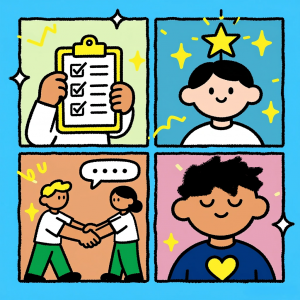
According to the American Psychological Association, resilience is defined as the process of adapting well in the face of adversity, trauma, tragedy, threats or significant sources of stress — such as family and relationship conflicts, serious health issues, workplace challenges and financial strains. It encompasses the ability to ‘bounce back’ from difficult experiences. Most people possess the capacity for resilience. It is not an inborn trait but can be learned and developed by anyone. Four factors are associated with resilience, including:
- The ability to make realistic plans and take steps to carry them out.
- A positive view of oneself and confidence in one’s strengths and abilities.
- Skills in communication and problem solving.
- The capacity to manage intense emotions and impulses.
Notably, resilience does not mean to avoid or suppress negative emotions, but to effectively utilise personal and interpersonal resources to manage and cope with these feelings. Enhancing resilience involves three aspects: how we perceive ourselves and connect with the world, the availability and quality of social resources, and specific coping strategies. To strengthen our resilience, we can focus on the following ten aspects.
Ten Ways to Build Resilience:
- Make connections: Build good relationships with family and friends. Joining civic groups, or other social groups to gain social support and reclaim hope. Accepting help from others, and assisting others, help to strengthen resilience.
- Avoid seeing crises as insurmountable problems: To interpret and respond to the stressful events in a reasonable way. Try looking beyond the present to how future circumstances.
- Accept that change is a part of living: Accepting circumstances that cannot be changed, then focus on circumstances that you can alter.
- Move toward your goals: Set achievable objectives and outline practical, step-by-step implementation methods to reach them. Progress gradually and consistently toward the targets.
- Take decisive actions: Act on adverse situations as much as you can, instead of detaching from the problems.
- Self-discovery: Discover what you have learned and grown as a result of your struggle. Many people who have tackled hardship have reported better relationships, greater sense of strength even while feeling vulnerable, increased sense of self-worth, a more developed spirituality and heightened appreciation for life.
- Nurture a positive view of yourself: Develop confidence in your ability to solve problems and trust your instincts.
- Keep things in perspective: Even during difficult times, try to place the stress in a wider context and hold on to a long-term outlook. Avoid blowing the event out of proportion.
- Maintain a hopeful outlook: Keep optimistic and expect that good things will happen in your life. Try visualizing the preferable events to make this anticipation more tangible.
- Take care of yourself: Pay attention to your own needs and feelings. Engage in activities that you enjoy and find relaxing. Exercise regularly to keep your mind and body primed.
Self-learning and Interactive Resources for Resilience
- Social Ecological Resilience Scale Online Test by Department of Social Work, Hong Kong Baptist University
Provide the questions and resilience scale according to age ranges of 12-17 years old and 18 or above. Through simple multiple choices, conduct analysis across dimensions such as Emotional Flexibility, Coping, Self-compassion, Common Humanity, Family Support, and Social Support, serving as a reference for assessing personal resilience levels.
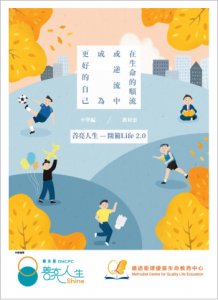
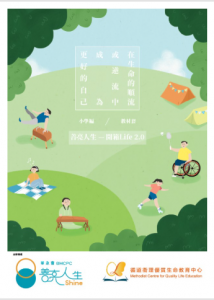
- ‘Shine—Becoming a Better Self Amid the Currents of Life’ Series of Primary and Secondary School Teaching Materials (EdCity eBook Preview Version) (Chinese only)
A series of resilience-themed animations and character story videos, supplemented by comprehensive teaching materials for primary and secondary schools, supporting young people in both school and family settings to pursue a fulfilling life through the ups and downs of their journey.
- Garden of the Mind 2: Be Your Own Master (EdCity eBook Preview Version) (Chinese only)
Through the enchanting journey of a little granddaughter and her grandfather, to inspire readers to embrace life’s possibilities with an open mind, bringing up the core message: ‘Setbacks in life are not the end, but reminders that it is time to turn a corner.’

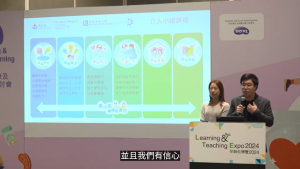
- Learning & Teaching Expo 2024 — ‘Emotional Resilience for Family and Teens’ Early Identification and Intervention Programme SeminarGuest speakers from Well-being Theatre introduced the theory and framework of emotional resilience, including the importance of the six areas of ‘emotional flexibility, coping ability, self-kindness, common humanity, family support, and social support' to youths and parents mental health; strategic planning on intervention programmes; and the intervention tools and techniques that effectively enhance youths’ and parents’ emotional awareness, enhance coping and self-care. In addition to the video, an online resource can be referenced from.
- ‘Shine—Becoming a Better Self Amid the Currents of Life: Love the Imperfect Self’ Video (Chinese only)
Using fun, easy to follow animations, the series looks at how chasing perfection too hard can affect our mental health. With insights from a psychologist, it shows us how to embrace the unique qualities of each individual, accept our limits, and still keep growing into a better version of ourselves. The series also includes short videos that share practical ways to boost self worth from different angles.